 images/bannerimages/Blog-Banner.jpg
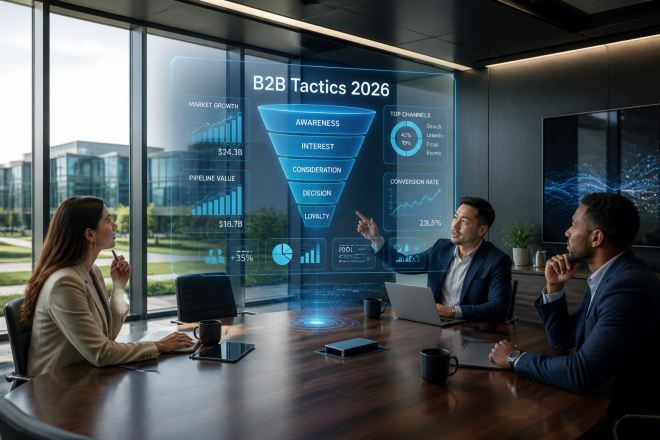
Core Strategies: Moving Beyond Trade Shows
While trade shows helped build face-to-face relationships, manufacturers now use a wider toolkit to connect with prospects. Today's buyers research online, compare brands across websites and demand a steady stream of relevant information. Manufacturing marketing has evolved, shifting focus to omnichannel engagement. Companies that use manufacturing SEO, digital platforms and strategic industrial marketing connect with a much larger audience. The goal now centers on providing value wherever buyers start their journey, not just at in-person events or annual conferences. This new mindset sets the tone for modern B2B lead generation.
Reaching Industrial Buyers on LinkedIn
LinkedIn remains the leading destination for professional networking in the manufacturing sector. Unlike general social media sites, LinkedIn industrial engagement focuses directly on business buyers, decision-makers and technical influencers. Companies embracing distributor marketing use LinkedIn to find dealers, partners or key contacts in their target industries. For manufacturing SEO and industrial content marketing, LinkedIn is vital for promoting thought leadership, sharing technical articles and announcing product launches. Manufacturers should optimize company pages, target decision-makers with ads and join industry groups. Regular, insightful posts signal expertise and keep their brand top of mind with buyers checking for reliable partners.
Building Authority Through Industrial Content Marketing
Sharing technical information on LinkedIn establishes credibility. Posts that explain processes, highlight case studies or address common pain points get noticed by engineers and procurement officers. Posts should use keywords relevant to manufacturing marketing, industrial marketing and B2B manufacturer lead generation, naturally fitting into authentic industry discussions. Encouraging team members to engage, share or comment on company content increases reach and boosts interest among new contacts.
Technical Content That Ranks and Educates
Modern manufacturing buyers now expect knowledge at their fingertips. Websites no longer serve as digital brochures—they act as rich libraries for technical specifications, case studies and deep-dive articles. Manufacturing SEO becomes key to attracting these buyers in the consideration stage. For many, ranking for search phrases around processes, compliance or equipment supersedes print catalogs or mailed brochures. When firms regularly publish how-to articles, best practice guides or step-by-step walkthroughs, they help buyers make more informed decisions. Well-architected web development creates fast, mobile-friendly sites with logical categorization, ensuring technical content is easily discoverable by both buyers and search engines.
Maintaining Content Quality and Relevance
Industrial content marketing succeeds when companies address specific buyer challenges. Instead of only listing product specs, focus on real-world applications, long-term performance results or troubleshooting. Use straightforward language with clear visuals and data points when possible. SEO-optimized articles draw in leads conducting research. Webinars, technical Q&As or 360-degree product tours also increase dwell time and trust.
Nurturing Long, Complex Sales Cycles
B2B manufacturing decisions often involve multiple stages and a group of stakeholders evaluating various options. It is rare for buyers to make immediate commitments based on one meeting or brochure. The most successful industrial marketing methodologies present value over weeks or even months. Email nurture campaigns that share technical updates, price updates or regulatory news keep leads interested. Regular lead generation efforts through digital marketing and paid media ensure you feed your pipeline with both new and warmed-up leads. Tracking each prospect's journey with a marketing audit allows you to tailor messages and respond to individual concerns at the right stage.
Personalization Across the Buying Cycle
Companies using outsourced marketing teams often outperform their peers. Specialists monitor responses and adapt strategies as sales cycles progress. Personalized emails, segmented by interest or geography, help address the needs of each buyer. Timely reminders about trade show alternatives—such as virtual tours or live video chats—fill the gap left by missing in-person events.
Showcasing Capability, Not Just Product Specs
Manufacturers can stand out by demonstrating real value beyond raw data sheets. Buyers look for proof of expertise, advanced processes and adaptability. Manufacturing marketing that highlights certifications, client success stories or performance audits offers a strong case for partnership. Digital marketing tools like video explainers, interactive product selectors and before-after galleries showcase innovation and efficiency in action. A portfolio page that demonstrates the breadth of solutions, industries served or logistics handled attracts buyers seeking technical partners, not just suppliers.
Leveraging Content Marketing for Capability Highlight
Technical whitepapers, solution sheets and testimonial videos bring intangible strengths to the forefront. Reviewers often rely on peer validation. Consistently sharing achievements, awards or unique engineering feats builds trust with both new and returning visitors. Visual proof—like machine demos or virtual plant walkthroughs—answers questions that written specs cannot.
Enabling Distributors and Channel Partners
Distributor marketing still powers international and regional manufacturer reach. However, relying solely on trade shows for connecting with partners limits scalability. B2B manufacturer lead generation platforms connect manufacturers to a growing network of agents, OEMs and third-party sellers searching for reliable products. Digital marketing assets—customized brochures, digital sell sheets or cobranded webinars—equip distributors with the material necessary to present products with confidence. Manufacturing SEO ensures that these resources rank when partners look for top products to add to their portfolio. Outbound email series and dedicated partner portals can keep resellers updated and motivated.
Empowering Channel Partnerships Digitally
Investing in web development makes it easier for partners to access pricing, tracking and compliance information. Self-service platforms or gated pages help streamline onboarding. A dedicated marketing audit focused on distributor marketing reveals what support partners need most.
Reaching Interstate and Export Markets
Geography no longer restricts manufacturing marketing. SEO and digital marketing help businesses target interstate buyers and international prospects. By optimizing regional landing pages and developing multi-language content, manufacturers gain visibility across borders. For B2B manufacturer lead generation campaigns, tailored messaging addresses compliance regulations in different states or countries. Manufacturing SEO combined with localized paid ads ensures your message appears to buyers searching by location. Building partnerships with export agencies, freight groups and overseas distributors widens your sales funnel.
Tailoring Content for Diverse Audiences
Industrial content marketing should consider local technical norms and business customs. Use localized testimonials and case studies to resonate with non-local buyers. Highlighting certifications or approvals necessary for specific markets reinforces reliability. An outsourced marketing team supports translation, local influencer outreach and content adaptation.
Measuring B2B Marketing ROI
Industrial marketing budgets must show quantifiable results. Tracking campaign performance gives clear answers on what delivers ROI. Use web analytics to monitor which SEO content leads to the most conversions. Marketing audits dissect lead generation funnels, spotlighting strengths and gaps in outreach. Digital marketing dashboards help identify cost per lead and channel performance. Outsourced marketing teams deliver regular reports ensuring all strategies contribute toward business goals. Sales teams can confidently justify continued investment in manufacturing marketing when metrics align with revenue growth.
Refining Strategy With Data
Data from CRM tools and customer surveys enables smarter decision making. Marketing efforts should be reviewed at regular intervals, adjusting budgets or campaigns as needed. Comparing results from traditional trade shows against new digital approaches provides concrete lessons for further scaling. Firms that share these insights internally adapt quickly, ensuring a culture of continuous improvement.
Staying Ahead With Trade Show Alternatives in Industrial Marketing
Trade shows once dominated the event calendar for manufacturers but digital alternatives now feature at the core of B2B lead generation. Virtual demo days, interactive product launches and live webinars engage geographically dispersed buyers while keeping operational costs under control. By leveraging digital marketing, manufacturing SEO and targeted lead generation, businesses reach more prospects than ever before. The ability to demonstrate technical expertise, support distributor marketing and remain visible across states or countries is fueling competition in manufacturing marketing. Measuring impact and refining strategies based on hard data propels manufacturers toward long-term growth, no expo badge required.